


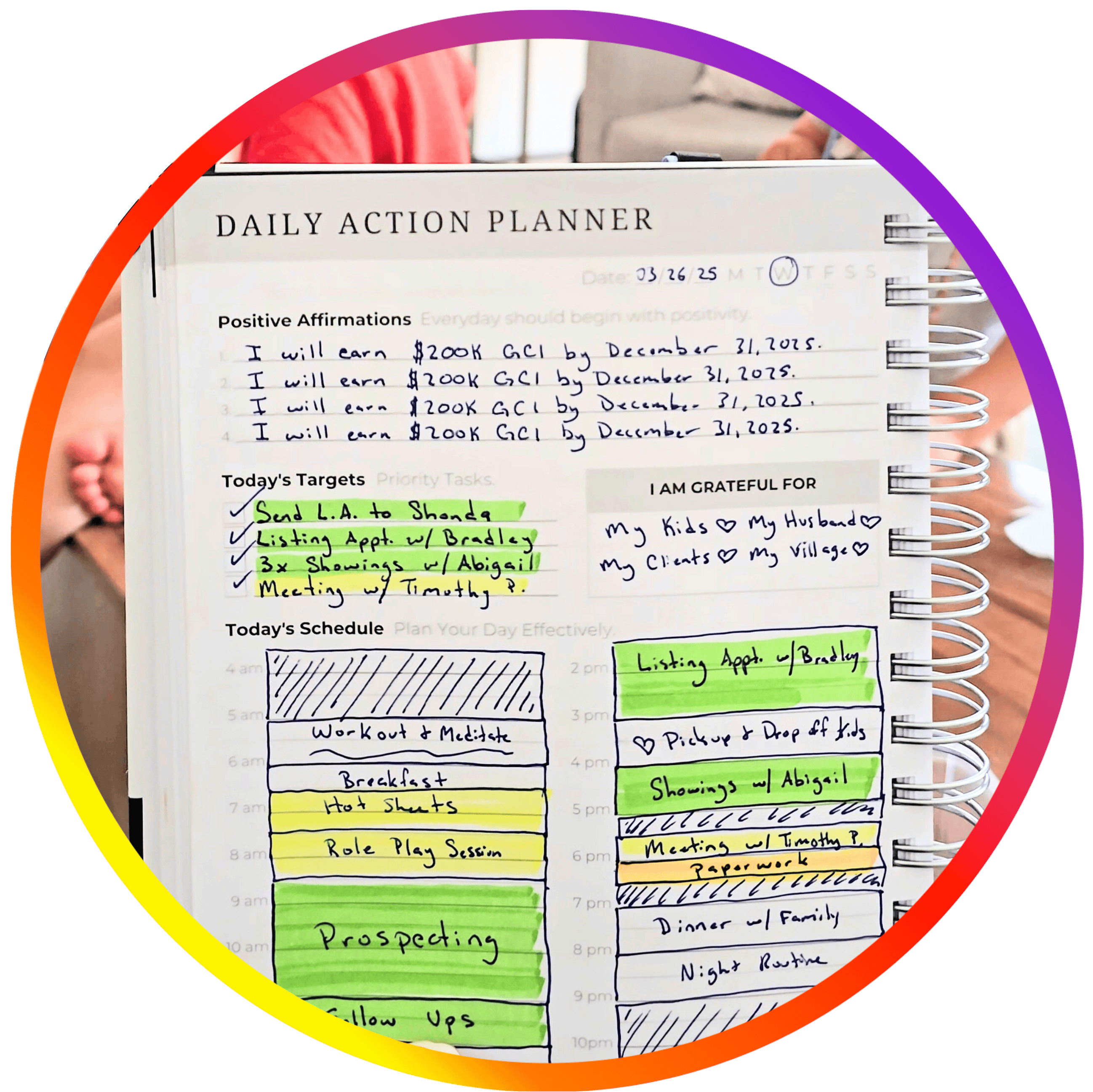




The Follow-Up System Every Real Estate Agent Needs To Stop Losing Warm Leads
A lot of real estate agents do not have a lead problem. They have a follow-up problem. They are meeting people, getting inquiries, collecting contact information, and having conversations, but too many of those opportunities never turn into anything because there is no clear system for what happens next.
This is where warm leads often get lost. Not because they were bad leads, but because the follow-up was inconsistent, delayed, or forgotten altogether. If you have ever looked back and thought, “I probably should have followed up with that person,” this blog is for you. A simple follow-up system can help you stay organized, stay top of mind, and turn more of your existing opportunities into actual clients.
What You'll Learn:
-
Why warm leads often go cold in real estate
-
What a simple follow-up system should include
-
How to stay consistent without feeling pushy or awkward
-
The difference between random check-ins and intentional follow-up
-
How stronger follow-up can help you convert more leads into clients

Why Warm Leads Slip Through the Cracks
Most warm leads do not disappear because they were never interested. They disappear because life gets busy, timing changes, and someone else stays in touch better than you do.
A lead might inquire about buying in six months. A past client might mention they have a friend thinking about selling. Someone might respond to your content, attend your open house, or download one of your resources. Those are all signs of interest, but interest is not the same as readiness. If you do not have a system for staying in touch, it becomes very easy for those people to fade away.
This is where many agents unintentionally lose business. They rely too much on memory, scattered notes, or whatever feels urgent that day. But strong follow-up is rarely accidental. It is usually the result of a simple system that helps you know who to contact, when to contact them, and what to say.
What a Good Follow-Up System Actually Does
A good follow-up system does not need to be complicated. It just needs to help you stay consistent.
At its core, your follow-up system should help you:
-
keep track of new leads and where they came from
-
remember important details about each person
-
know when to reach out next
-
stay in touch over time
-
guide people toward a clear next step
The point is not to make things feel robotic. It is to create enough structure that warm leads do not fall off your radar.
Without a system, follow-up becomes reactive. With a system, it becomes part of how you do business.
The 3 Parts of a Strong Follow-Up System
1. A Place To Track Every Lead
You need one central place where lead information lives. That could be a CRM, a spreadsheet, a planner, or another simple tool, but it needs to be consistent.
If lead details are living in your Instagram DMs, text messages, notebook, email inbox, and memory, you are making your business harder to manage than it needs to be.
At minimum, you want to track:
-
name
-
contact information
-
where the lead came from
-
what they are looking for
-
timeline
-
last contact
-
next follow-up step
This gives you a much better chance of following up in a way that feels personal and relevant instead of random.
2. A Repeatable Follow-Up Rhythm
A lot of agents know they need to follow up, but they do not know how often. That uncertainty is what causes inconsistency.
You do not need to overcomplicate this. What matters most is creating a rhythm you can actually stick to. That rhythm may vary based on the lead, but the goal is to avoid long stretches of silence that make people forget about you.
For example:
-
a brand new lead may need a quick response and another touchpoint within a few days
-
a warmer lead may need weekly or bi-weekly check-ins
-
a long-term lead may need to stay connected through email, market updates, or occasional personal follow-up
The exact timing matters less than the fact that you have a plan.

3. Follow-Up That Feels Helpful, Not Pushy
One of the biggest reasons agents avoid follow-up is because they do not want to feel annoying. But follow-up does not have to feel salesy when it is rooted in service.
The best follow-up usually feels helpful, clear, and low-pressure. It sounds like someone staying connected, not someone chasing.
That could mean:
-
checking in after a life update or timeline change
-
sharing a relevant resource
-
asking if they still want help with their next step
-
following up after an open house or buyer conversation
-
sending useful market insight that relates to their goals
When your follow-up is thoughtful and tied to what the person actually needs, it builds trust instead of resistance.
What To Avoid in Your Follow-Up Process
A strong follow-up system is not just about what to do. It is also about what to stop doing.
A few common mistakes:
-
waiting too long to respond to a new lead
-
reaching out only when you need business
-
making every touchpoint feel like a sales pitch
-
forgetting to set the next reminder
-
failing to keep notes that help future follow-up feel personal
These may seem small, but over time they create a lot of leakage in your business.
When follow-up is inconsistent, it becomes much harder to build momentum. When it is steady and thoughtful, it gives your leads a reason to keep you in mind.
What Stronger Follow-Up Can Change
Better follow-up can improve more than just your conversion rate. It can also improve your confidence, your consistency, and your overall client experience.
When you know you have a system in place, you stop wondering who you forgot to contact. You stop relying on memory. You stop missing easy opportunities because things slipped through the cracks.
You also make your business feel more professional. People notice when you stay in touch, remember details, and guide them clearly. That kind of consistency builds trust, and trust is often what turns a warm lead into a client.
How To Get Started Without Overcomplicating It
You do not need to build a massive automation machine overnight. Start simple.
Pick one place to track leads. Create a few follow-up categories based on timing or readiness. Decide on a basic rhythm for staying in touch. Use reminders so no one gets forgotten. Then improve from there.
The goal is not perfection. The goal is to stop relying on memory and start building a business that supports better conversion.
If You Want To Stop Losing Warm Leads, Your Follow-Up Needs a System
Warm leads are valuable, but they are only valuable if you stay connected long enough for trust and timing to work in your favor.
If your follow-up is inconsistent, delayed, or based on memory alone, you are probably losing more opportunities than you realize. But when you create a simple system for tracking, timing, and thoughtful outreach, you give yourself a much better chance of turning interest into action.
A lot of agents do not need more leads. They need a better way to follow up with the ones they already have.

ABOUT THE AUTHOR
Amanda Fazelani is the co-founder of Designed For Agents, where she shares her expertise in marketing, design, and business strategy for real estate agents. She is passionate about helping agents create stronger brands, market themselves more effectively, and build more organized, sustainable businesses with tools and education that make growth feel more achievable.
Explore Agent Favorites
Explore
Learn
About Us
Help
Stay in the loop