





What To Do When Your Real Estate Business Feels Slow
Every real estate agent goes through seasons where business feels quieter than they want it to. Fewer leads. Fewer conversations. Fewer deals moving. When that happens, it can be tempting to panic, question everything, or start throwing random marketing ideas at the wall just to feel like you are doing something.
But a slow season does not always mean your business is broken. Sometimes it means you need to get back to the basics, tighten a few things up, and focus on the activities that actually help create momentum. The agents who navigate slow seasons best are usually not the ones who react emotionally. They are the ones who use slower periods to strengthen their marketing, systems, and visibility.
What You'll Learn:
-
Why slow seasons happen in real estate
-
What to focus on when business feels quiet
-
Which activities help rebuild momentum
-
What mistakes to avoid when you feel pressure to get results fast
-
How to use a slow season to strengthen your business

Why Slow Seasons Happen in Real Estate
A slower season can happen for a lot of reasons. Market shifts, personal inconsistency, lack of follow-up, changing buyer or seller behavior, time of year, or simply a gap between your marketing efforts and when results actually show up. Real estate is not always instant. There is often a delay between the work you do and the business that comes from it.
That is why it is so important not to make every slow season mean something dramatic about your future. Sometimes you are not failing. Sometimes you are just in a season that requires steadiness instead of panic.
The key is not pretending it feels good. The key is responding in a way that actually helps.
The Worst Thing You Can Do Is Start Panic-Marketing
When business feels slow, agents often start scrambling. They change their branding overnight. They try five new strategies at once. They start posting frantically, buying random tools, chasing trends, or copying what another agent is doing without a real plan.
This usually creates more noise, not more momentum.
Panic-marketing feels productive because it is fast and emotional. But most of the time, it pulls you further away from the simple things that actually work. Instead of getting more consistent, you get more scattered.
If your business feels slow, your first move should not be to do everything. It should be to get honest about what is working, what is not, and where your attention actually needs to go.
Start With the Leads and Relationships You Already Have
Before you go out trying to find brand new people, revisit the people already in your world.
That includes:
-
past clients
-
current leads
-
old leads that never fully converted
-
people in your sphere
-
referral partners
-
anyone who has engaged with your content, emails, or open houses
A lot of business gets left on the table simply because agents do not circle back. Someone who was not ready three months ago may be ready now. A past client may know someone looking for help. A warm lead may just need a thoughtful follow-up to restart the conversation.
When things feel slow, relationships are one of the first places to look.
Tighten Up Your Visibility
If business feels quiet, it is worth asking whether people are hearing from you often enough to remember you.
You do not need to post all day every day, but you do need some level of consistent visibility. That might mean getting back into a rhythm with social media, sending a weekly email, showing up on Stories more consistently, or creating helpful content that answers common questions your audience already has.
The goal is not just to be seen. It is to stay remembered.
A slower season is a great time to improve the quality of your marketing. Sharpen your message. Create stronger educational content. Make sure your brand looks consistent and clear. Often, small improvements in visibility can make a big difference over time.

Focus on Activities That Build Real Momentum
Not every task is equally valuable when things feel slow. Busy work may make you feel occupied, but it does not always move the needle.
Try to prioritize activities that support real momentum, such as:
-
following up with warm leads
-
checking in with past clients
-
sending emails to your list
-
creating educational content
-
hosting or promoting open houses
-
improving your CRM or lead tracking
-
reaching out to referral partners
-
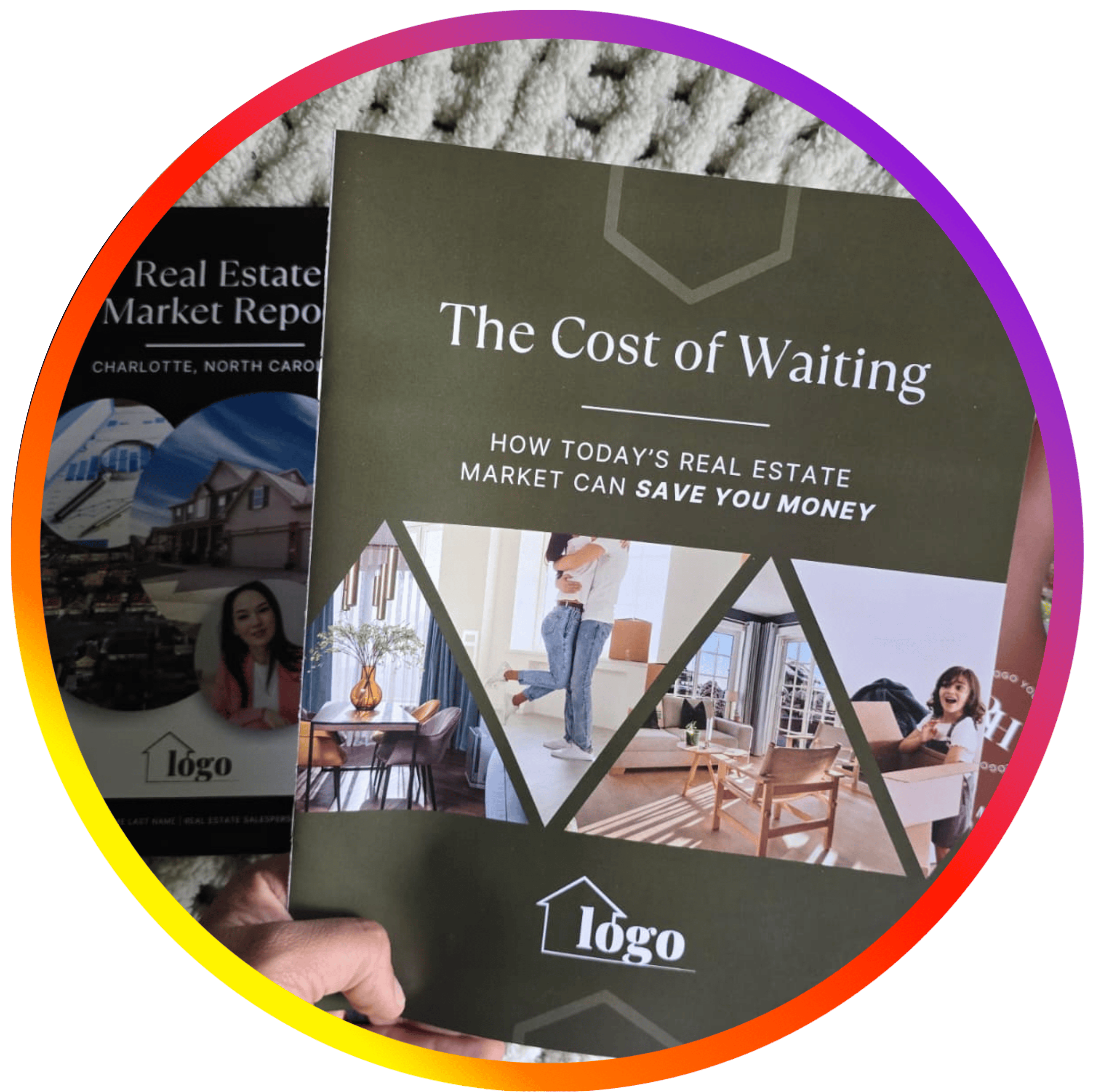
refining your offers, resources, or client process
These are the kinds of actions that strengthen your business, not just distract you from discomfort.
Use the Time To Fix What Gets Ignored When You’re Busy
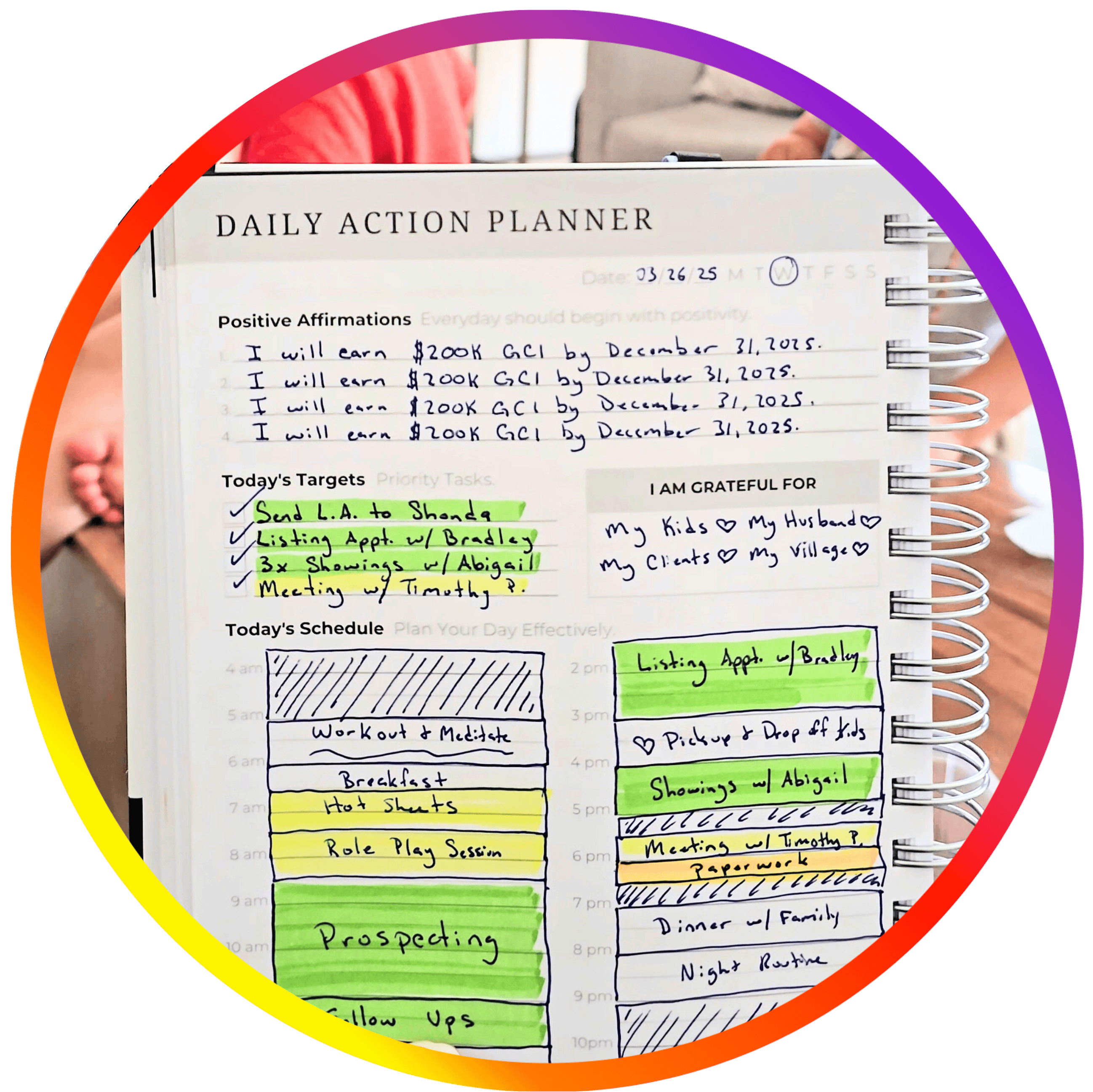
One upside of a slower season is that it gives you room to improve parts of your business that often get neglected when you are slammed.
You might use this time to:
-
organize your database
-
clean up your follow-up system
-
improve your listing presentation
-
build email templates
-
batch content
-
create a lead magnet
-
refresh your branding
-
map out a better weekly workflow
These behind-the-scenes improvements may not produce instant results tomorrow, but they often make the next busy season easier, smoother, and more profitable.
What To Avoid When Business Feels Slow
A slow season can reveal a lot about how you handle uncertainty. It can also tempt you into habits that make things worse.
A few things to avoid:
-
disappearing completely
-
comparing your business to everyone else online
-
constantly changing strategy
-
relying only on motivation
-
waiting to take action until you “feel inspired”
-
abandoning the systems that normally help you stay consistent
You do not need perfect energy to move your business forward. You need a plan you can follow even when things feel a little discouraging.
Slow Does Not Mean Stuck
A slow season does not mean you are not cut out for this. It does not mean your efforts are pointless. It does not mean everyone else has it figured out and you do not. Real estate has cycles, and business growth is rarely a straight line.
Sometimes momentum is being built quietly. Sometimes you are laying groundwork that will pay off later. Sometimes the work is doing more than it looks like from the outside.
Do not let a temporary slow season convince you to walk away from consistency too soon.
If Your Real Estate Business Feels Slow, Come Back to the Basics
When business feels quiet, resist the urge to panic. Start with your people. Revisit your leads. Tighten your visibility. Strengthen your systems. Focus on the kinds of actions that build trust, create conversations, and keep your business moving forward.
You do not need to do everything at once. You just need to keep doing the right things with more intention.
A slow season can feel frustrating, but it can also become a turning point. Sometimes the agents who grow the most are the ones who use quiet seasons to build a stronger foundation for what comes next.

ABOUT THE AUTHOR
Amanda Fazelani is the co-founder of Designed For Agents, where she shares her expertise in marketing, design, and business strategy for real estate agents. She is passionate about helping agents create stronger brands, market themselves more effectively, and build more organized, sustainable businesses with tools and education that make growth feel more achievable.
Explore Agent Favorites
Explore
Learn
About Us
Help
Stay in the loop